Published on Sept. 20, 2019
Laying hens unlock natural defences to ward off disease
A new genetic link to the immune system in laying hens has been discovered that could result in laying hens being born resistant to many diseases.
Pioneering research of the full genome of over 1600 layers has revealed a genetic link to natural antibodies (called: NAbs). This research that was undertaken by Wageningen University in the Netherlands and Hendrix Genetics. It has huge potential to impact productivity, biosecurity, and sustainability.
An immune system that is prepared
Unlike traditional antibodies that the body creates to fight infections after exposure to germs (viral/bacterial), NAbs are present naturally without exposure. This means that if the body is exposed to germs, it can react faster and eliminate the threat much quicker.
Most importantly for animal breeding, it was discovered that these NAbs are heritable and therefore are impacted by genetics.
An ideal solution for changing practices
The timing of this discovery is crucial as NAbs may play a vital role in the evolution of the protein value chain. The layer industry, in particular, is undergoing tremendous change. The two biggest factors being the transition from individual cages to more open group housing, and the other being the curtailing or elimination of preventative antibiotics.
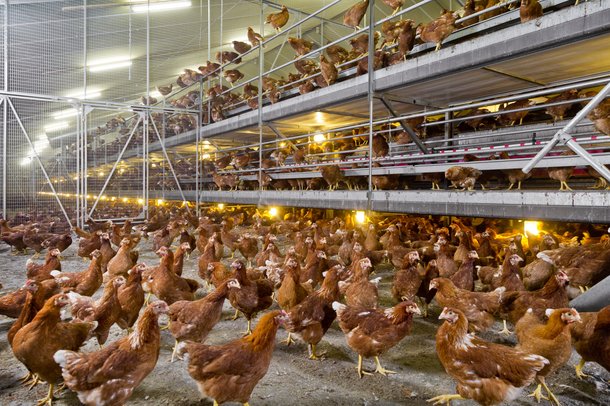
While these changes have very good reasons why they are occurring, the reality is that when combined, they create a real problem. As hens are placed in group settings with some having access to the outdoors, the ability to acquire and spread disease increases drastically when compared to an individual cage inside a biosecure system.
This combined with a decrease or elimination of preventative antibiotics, again increases the chance to both acquire and spread illness.
Increased resistant before even hatching

Natural antibodies seem like a perfect solution to the current challenges facing the layer industry. Not only does it help improve productivity in settings with more disease pressures, but it does so without the use of antibiotics.
The key to unlocking this solution lies in correctly identifying the part of the genome with the greatest impact on NAbs so that future layers can be selected for this trait. In the study, one region in particular stood out. It is thought that this one region may be responsible for up to 60% of the genetic variation responsible for NAb levels.
Further research needed before it is commercially available
Currently, Hendrix Genetics is running three field studies with hens having both high and low NAb levels. The research subjects will then be monitored for livability and productivity. The hopes are that from this and future research, NAbs will become a key component of Hendrix Genetics’ pure lines for layers.
This is a key example of how genetics can add tremendous value while increasing sustainability throughout the protein value chain.
If you have questions about this study please feel free to contact our R&D team here.