Published on June 9, 2026
Maintaining Productivity in Hot and Tropical Climates
The Nigerian egg industry is experiencing rapid growth, with egg producers increasingly operating in challenging climates where heat and humidity threaten flock performance. Achieving consistent production under these conditions requires not only technical expertise but also practical, cost-effective solutions. By focusing on housing, ventilation, and nutrition, producers can safeguard flock health and maintain profitability.
Optimizing Housing for Tropical Conditions
A well-designed poultry house is the foundation for successful egg production in hot climates. The house must protect birds from environmental extremes while supporting optimal airflow.
House Orientation and Construction:
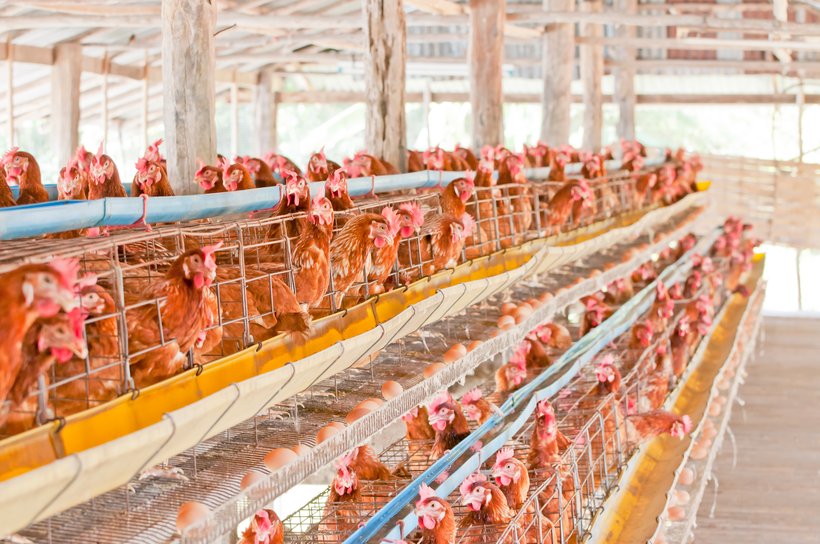
Orientation plays a critical role in mitigating heat stress. In tropical regions, poultry houses should face east-west to minimize direct sunlight exposure throughout the day. Insulation, often overlooked, is essential for maintaining stable internal temperatures. Affordable materials such as bubble foil with aluminium layers or locally available thatching materials (like palm leaves) can effectively reduce heat transfer.
Roof design also matters. A white or light-coloured roof reflects solar heat, while a roof ridge vent can release rising hot air. Where natural ventilation is insufficient, producers can retrofit existing houses with curtains to control airflow and prevent direct sunlight.
Ventilation Systems:
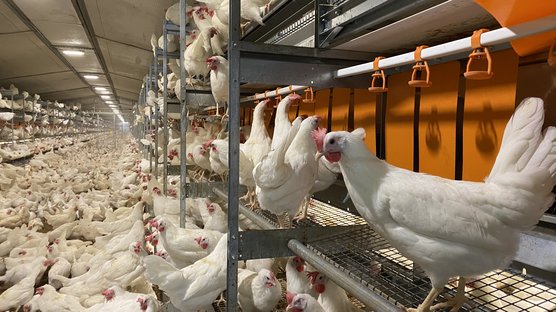
Effective ventilation is not optional—it is a necessity. In hot climates, airflow at bird level is the most efficient way to reduce heat stress. Open-sided houses with natural airflow can be effective in windy regions, but mechanical systems like tunnel ventilation are crucial in areas with stagnant air.
Tunnel ventilation uses fans to create a cooling wind-chill effect, drawing air across the house at high speed. To further enhance this system, evaporative cooling pads can reduce incoming air temperatures. However, evaporative cooling should only be used in dry climates, as high humidity diminishes its effectiveness. For humid tropical regions, increasing airflow alone may be more beneficial.
Regular maintenance is vital for ventilation systems. Dust buildup on fans, clogged cooling pads, or obstructed air inlets reduce efficiency. Producers must also monitor for signs of inadequate ventilation, such as panting birds, clustering near water sources, or declining feed intake.
Practical Improvements:
For producers with limited resources, small adjustments can yield significant results. Planting shade trees around poultry houses lowers surrounding temperatures through natural evaporation, but care must be taken to prevent biosecurity risks. Grassed areas around houses radiate less heat than concrete, further reducing environmental stress.
Backup power systems are a critical investment. Power outages during hot weather can lead to rapid heat buildup, with potentially fatal consequences for the flock. A reliable power source ensures that ventilation and cooling systems continue to function during emergencies.
Feeding to Support Egg Production in Hot Climates
Nutrition plays a pivotal role in maintaining performance during periods of heat stress. Reduced feed intake is a common challenge, as birds eat less to minimize the metabolic heat generated during digestion.
Diet Formulation for Heat Stress:
During hot weather, energy-dense diets with lower fiber content are essential. Fiber generates more metabolic heat during digestion, so reducing its proportion while maintaining energy levels helps mitigate heat stress. Adequate calcium levels are critical to prevent issues with eggshell quality, which often deteriorates under heat stress.
The inclusion of electrolytes, particularly sodium, potassium, and chloride, helps maintain the birds’ acid-base balance. Vitamins such as C and E are also essential for combating the oxidative stress caused by high temperatures. These nutrients can be incorporated into feed or water to ensure consistent intake.
Feeding Strategies:
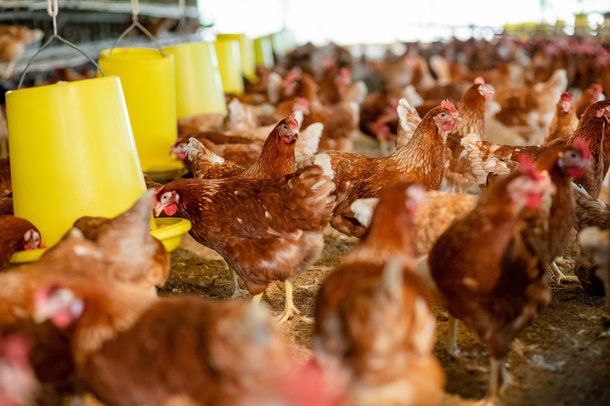
Adjusting feeding times to cooler periods of the day encourages birds to consume more. Early morning, late evening, or even nighttime feeding (“midnight snacks”) are effective strategies for improving feed intake. Additionally, feed should be presented in a way that encourages consumption—clean, uniform pellets or mash with appealing flavour can make a difference.
Ensuring Water Quality and Availability
Water is the most critical nutrient for laying hens, particularly in hot climates. As temperatures rise, water intake increases substantially. Clean, cool water must always be available to prevent dehydration and heat stress.
Producers should test water quality regularly for contaminants like E. coli and mineral imbalances. Water lines must be cleaned frequently to prevent biofilm buildup, especially after using supplements or medications. Keeping water cool is equally important—shading water tanks or insulating pipes reduces the temperature, making the water more palatable.
Monitoring for Early Intervention
Early detection of issues is essential for preventing losses. Producers should monitor feed and water consumption, egg production rates, and bird behavior daily. Signs like increased panting, clustering near cool areas, or reduced egg size signal that intervention is needed.
Detailed record-keeping can help identify trends and pinpoint problems before they escalate. Tracking environmental data alongside production metrics allows producers to make informed decisions about ventilation, nutrition, and management practices.
To conclude
Efficient egg production in hot and tropical climates is undoubtedly challenging, but it is far from impossible. With the right housing and ventilation, targeted nutrition strategies, and diligent monitoring, egg producers can maintain flock productivity and welfare.
Ultimately, success in these environments comes down to preparation, observation, and adaptability. By staying proactive and making incremental improvements, Nigerian egg producers can ensure their flocks continue to deliver, even under the toughest conditions.